Discover the Camargue differently: wild, preserved territory
🚀 Key takeaways
- Key concept : The Camargue is a deltaic, semi-wild territory where nature and traditional ranching coexist.
- Practical tip : Visit in spring or autumn for best light, fewer crowds, and active wildlife.
- Did you know : Local gardians still manage free-roaming Camargue horses and bulls in manades, sustaining centuries-old practices.
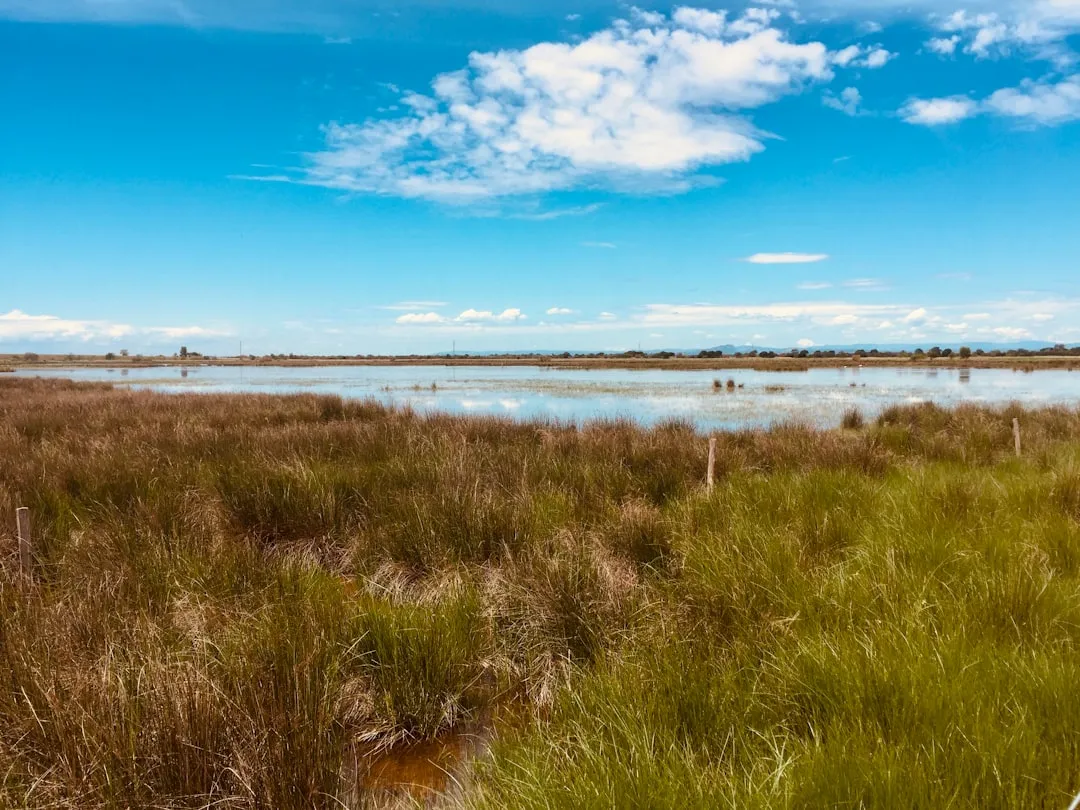
The Camargue sits between the Rhone's arms, a mosaic of lagoons, reed beds, salt pans and rice fields. It is both a refuge for species, like flamingos, and a cultural landscape shaped by gardians, fishermen and salt workers.
In 2026, conservation and sustainable tourism are central to experiencing the region. To discover the Camargue differently means choosing low-impact activities, supporting local producers and learning the rhythms of a living delta.
Landscape and biodiversity
The Camargue is a delta in constant motion, where saline plains meet freshwater marshes. That variety creates habitats for thousands of birds, amphibians and unique wetland flora.
Flamingos are the charismatic symbol, but the true wealth lies in the reedbeds, dunes and salt marshes that host migratory routes. Observing is best at dawn or dusk, when light and activity peak.
Horses, gardians and modern cowboy culture
Camargue horses roam semi-wild and are central to local identity. Gardians, the region's mounted herders, continue seasonal practices like roundups and ferrades that date back centuries.
Today, many manades combine tradition with eco-conscious management. Visiting a family-run manade offers a chance to see horsemanship, understand herd dynamics and taste products like gardiane de taureau made with local rice.
Authentic experiences beyond the usual routes
To step off the beaten track, choose small-group outings: guided birdwatching from hides, kayak trips in sheltered channels, or bike rides along quiet tracks. These provide intimate encounters without disturbing habitats.
Local guides and associations run evening tours to explain salt production, rice farming and the delta's hydrology. Combining cultural visits with nature observation enriches understanding and supports local stewardship.
Practical tips for a low-impact visit
Timing matters: spring brings nesting birds and wildflowers, autumn offers mellow light and migrating flocks. Avoid mid-summer weekends if you want solitude and better wildlife sightings.
Respect rules: stay on marked paths, keep distance from wildlife, and prefer certified local guides. Use trains to Arles or Saintes-Maries-de-la-Mer, then local shuttles or bicycles to reduce your footprint.
Thanks for reading, and don't forget, Enjoy Life Moments!